Our Community Approach
Hiraeth Hope & Healing brings together adults with lived experience in adoption, donor conception, late discovery adoption, unexpected DNA discoveries, misattributed parentage, family separation, origin loss, and hidden truths. Individuals arrive through different experiences, each with its own history, language, and realities.
We do not assume these experiences are the same. Many people across these communities encounter overlapping questions related to identity, belonging, loss, and the long-term impact of separation from biological origins.
While some offerings may focus on particular lived experiences, we also intentionally hold space across these intersections. Our gatherings honor individual experience while acknowledging points of connection.
Why Our Approach Is Different
Many people encounter education, advocacy, online communities, conferences, or large-scale events as part of their journey. Hiraeth Hope & Healing offers something different: intentionally smaller spaces built around connection, continuity, and lived experience.
Our work creates multiple ways for people to find connection, understanding, education, and community without pressure to explain themselves, resolve their experiences, or reach particular conclusions. Within our peer-led spaces, we prioritize depth over scale, relational safety over performance, and choice over expectation.
Our community spaces are trauma-aware and non-clinical. Educational programs may include licensed therapists and other professionals, but they are not therapy or treatment. Participation is always optional, and listening is welcomed as much as sharing.
We believe meaningful community is built through relationships, not simply attendance. That means creating opportunities for people to return, reconnect, be remembered, and develop relationships over time.
We do not tell people what their answers should be.
We create space to explore what comes next.
Begin Wherever Feels Right
Our community approach extends beyond any one type of gathering or support. People come to Hiraeth Hope & Healing looking to understand, connect, learn, experience, or belong, and those needs may change over time.
There is no required starting point or path through the community. People are welcome to engage with what feels relevant and return in different ways as their needs change.
Why These Spaces Are Needed
Many people within our community have spent years trying to understand experiences that were difficult to name, difficult to explain, or minimized by the world around them.
Some arrive following unexpected DNA discoveries or late discovery experiences that reshaped their understanding of identity, ancestry, family, and belonging. Others have navigated adoption, donor conception, family separation, origin loss, or hidden truths for much of their lives while struggling to find informed support or spaces where these realities could be spoken about openly.
As consumer DNA testing has become more common, increasing numbers of people are uncovering unexpected biological relationships later in life, often without preparation or informed support.
These experiences can carry emotional, relational, and identity-related effects that are not always recognized or understood within traditional support systems. That gap is one reason spaces like Hiraeth Hope & Healing are needed.
We create opportunities for community-centered connection, peer understanding, education, and shared experience where people are not required to simplify, justify, or resolve their lived experiences in order to belong.
Allies & Intersections
This visual, inspired by DCP advocate Cassandra Adams, reflects how our community holds space for both difference and intersection.
People may arrive through adoption, donor conception, late discovery experiences, unexpected DNA discoveries, family separation, foster care, including those who aged out without being adopted, or other forms of origin disruption and hidden truths. These experiences remain distinct, while questions related to identity, belonging, grief, ancestry, secrecy, rejection, and connection may overlap.
Lived experience may also intersect with other parts of a person's identity and life, including sexual orientation, gender identity, race, culture, disability, family structure, and other lived realities. These intersections can shape how identity, family relationships, separation, search, reunion, rejection, and belonging are experienced.
Hiraeth Hope & Healing does not flatten these differences. We recognize that multiple lived realities can exist alongside one another with care and respect.
People are not expected to relate to every experience represented within our community. Shared space instead creates opportunities to witness, learn, reflect, and recognize points of connection without erasing difference.
Intersection does not require sameness.
Connection does not require agreement.
Participation & Language
We do not require shared language, agreement, or alignment. People are welcomed as they are, with their own language, beliefs, experiences, and pace.
Individuals may describe their experiences differently based on personal history, culture, family dynamics, professional background, or where they are in their own process of understanding. Hiraeth Hope & Healing does not require people to adopt specific terminology or frameworks in order to participate.
Participation May Look Different for Everyone
• Speaking openly
• Listening quietly
• Observing without sharing
• Stepping away when needed
• Returning at a later time
• Engaging slowly and at one’s own pace
Connection is not dependent on sameness, and shared space does not require uniformity.
How This Shows Up in Practice
These principles guide how we approach gatherings, peer support, education, resources, search support, and other opportunities for community connection.
In our gatherings and community spaces, individuals are never asked to speak for an entire group or experience. There is no expectation to disclose personal history, educate others, move at a particular pace, or arrive at specific conclusions.
Emotional processing is not performed on demand.
Boundaries and consent remain central to how space is held, with lived experience centered over theory or expectation.
Our role is not to define anyone’s story, but to create environments where individuals may explore their own with care, autonomy, and support.
Shared space is approached with the understanding that connection can exist without pressure, urgency, or erasure.
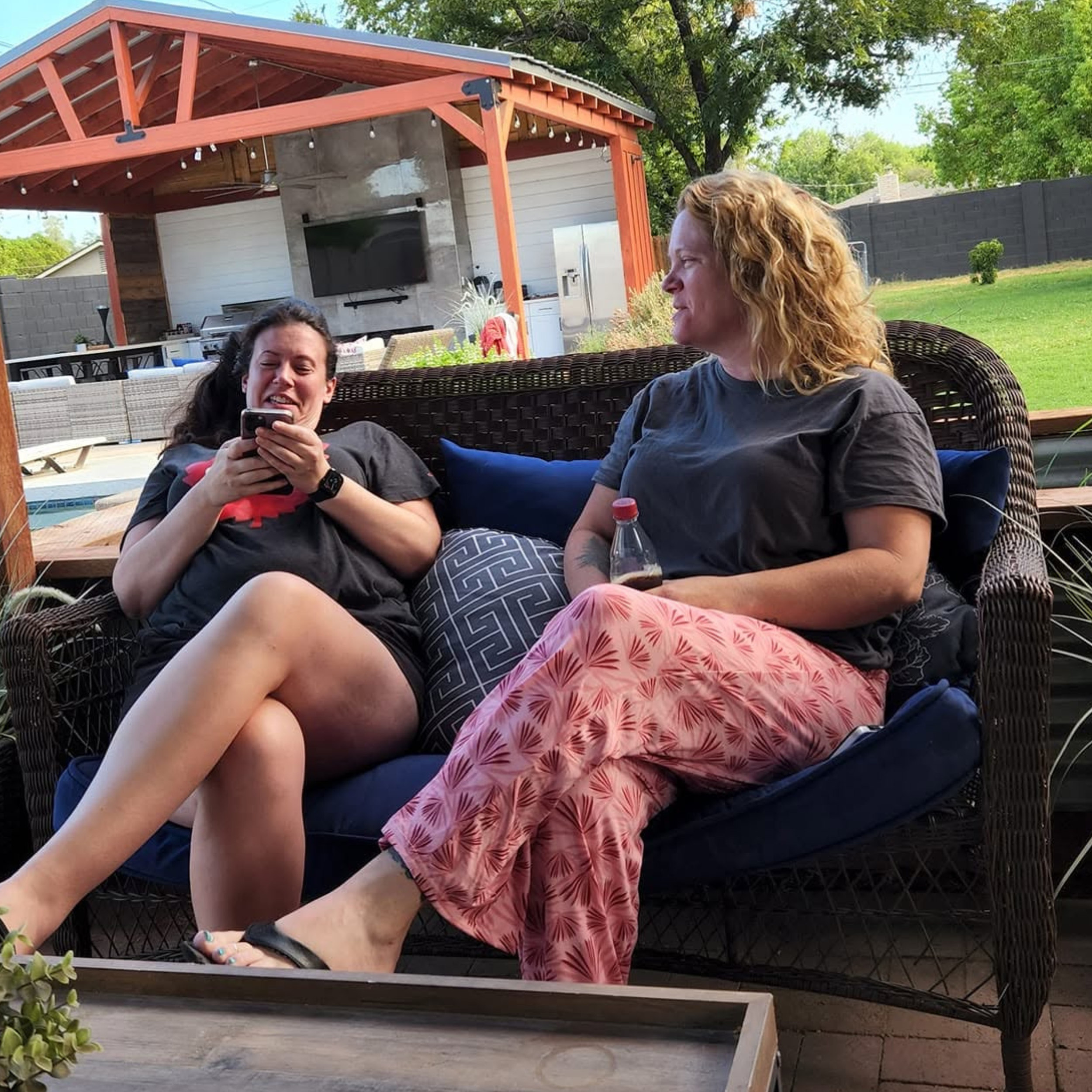
Our community is built one conversation, one relationship, and one shared moment at a time.
Relational Continuity in Practice
Gathering in person can bring anticipation. For some individuals, simply arriving can require significant emotional energy. Questions about belonging, visibility, safety, or uncertainty may exist alongside curiosity and hope.
As part of our commitment to relational safety and optional participation, we create opportunities for familiarity and connection before gatherings begin.
Prior to each event, registered attendees and facilitators are invited to a Q&A Zoom, offering an opportunity to see familiar faces, ask questions, and learn more about what to expect before arriving. For those who would like additional peer connection, Helix Hearthkeepers offer another optional point of familiarity before certain gatherings.
These opportunities are designed to reduce isolation and help individuals enter shared space at their own pace.
Participation is always optional.
Helix Hearthkeepers
Helix Hearthkeepers are active members of the Hiraeth Hope & Healing community with lived experience who are further along in their own journey or discovery and have volunteered to offer peer connection to others who may be newer to theirs.
Their presence offers a familiar point of connection and is one way Hiraeth Hope & Healing puts relational continuity and community care into practice.
The Role of a Helix Hearthkeeper
Helix Hearthkeepers are peers with lived experience. Their role is relational, not directive.
They are not:
• Therapists
• Crisis support providers
• Facilitators
• Responsible for another person's emotional experience or participation
What This May Look Like
• Reaching out to say hello and offer a familiar point of connection
• Answering practical questions when they can
• Sharing relevant Hiraeth Hope & Healing website pages, resources, programs, or upcoming opportunities
• Helping someone become familiar with the different ways to connect with the HH&H community
• Welcoming someone into a group, gathering, or community space
• Introducing someone to others when appropriate and welcomed
• Offering a familiar presence before or during a Retreat, Wellness Weekend, or other gathering
• Recognizing a name or face when someone enters a shared space
• Sharing a meal, conversation, or community moment
• Helping reduce the feeling of entering an unfamiliar community or space alone
Participation & Boundaries
Participation is always optional, and either person may step back at any time.
These connections are intended to remain light, choice-based, and grounded in mutual respect for boundaries, capacity, and autonomy. A Helix Hearthkeeper is a point of peer connection, not someone responsible for another person's decisions, participation, or experience.
Interested in Becoming a Helix Hearthkeeper?
If you are an active member of the Hiraeth Hope & Healing community, are further along in your own journey or discovery, and feel drawn to offering steady peer connection to others, you are welcome to email us to share your interest.
We will reach out when a community member requests connection or when an opportunity for a Hearthkeeper arises.
Community Care Beyond One Connection
Helix Hearthkeepers are one expression of the broader approach that shapes Hiraeth Hope & Healing. Relational continuity, choice, boundaries, and connection extend throughout our programs, resources, gatherings, and community spaces.
A Living, Listening Approach
Our community approach continues to evolve as we listen to those who participate.
We learn from feedback, lived experience, changing realities within the community, and the ways individuals experience shared space over time.
As conversations surrounding adoption, donor conception, family separation, late discovery, unexpected DNA discoveries, origin loss, and hidden truths continue to shift, we remain committed to approaching this work with care, humility, and responsiveness rather than rigidity.
Listening is not separate from how space is held.
It is part of the practice itself.
Connection is possible without erasure.
Experiences remain distinct, and shared space can still be held with care.
Continue Exploring
Learn more about the principles that guide Hiraeth Hope & Healing and how our community approach is carried into shared spaces.
Our Commitments
Explore the commitments that guide how we create and sustain HH&H spaces.
Retreats
See how our approach comes to life through multi-day gatherings centered on connection, shared experience, and community.
Explore what speaks to you, and return whenever you need.